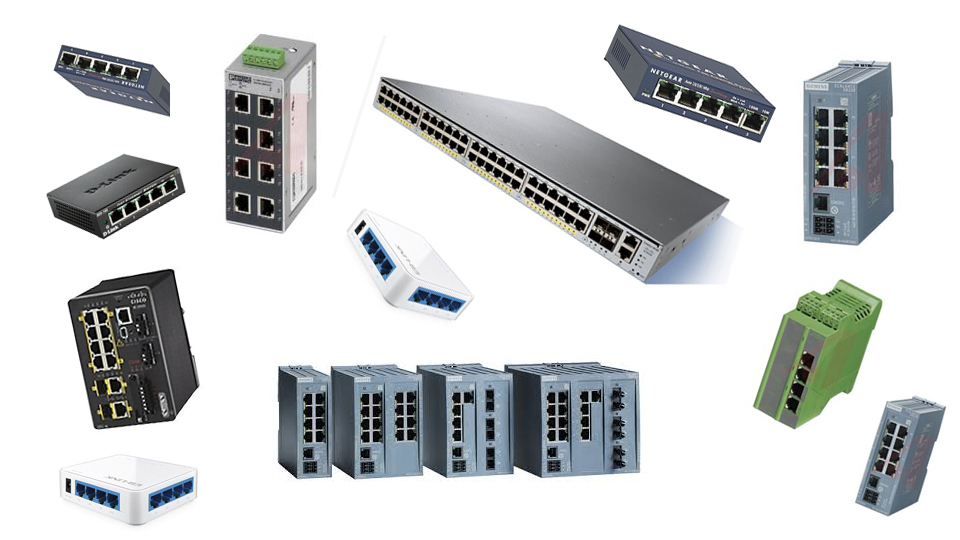
Tech Tip: Which Switch for PROFINET
Should you use a managed switch or an unmanaged switch with PROFINET? YES! Yes, you should use either a managed or an unmanaged Ethernet switch with PROFINET.

Should you use a managed switch or an unmanaged switch with PROFINET? YES! Yes, you should use either a managed or an unmanaged Ethernet switch with PROFINET.
Hunter Harrington, PROFINET Consulting Engineer, of the PROFI Interface Center in Johnson City, Tennessee discusses the importance of PROFINET device naming plus rules and caveats in today’s engineering tools.
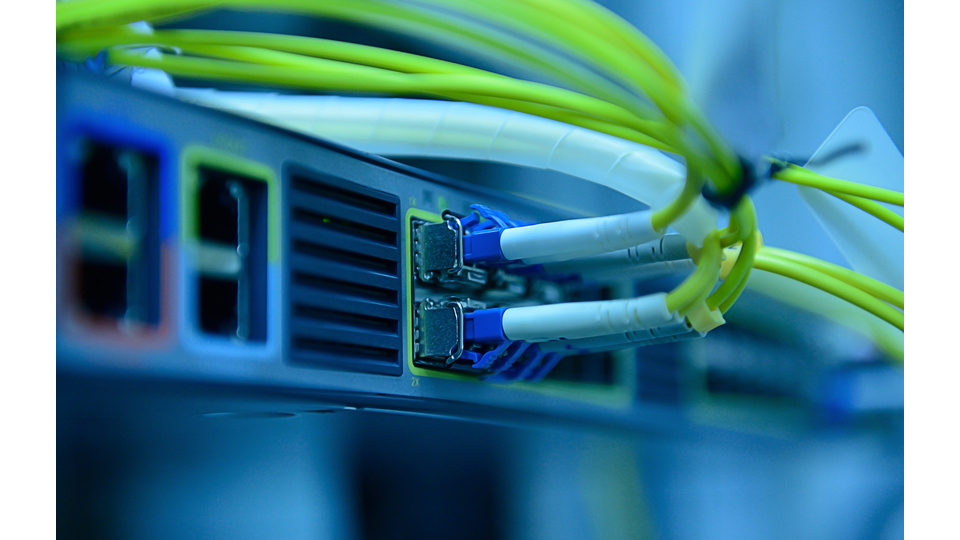
In the early days of Ethernet, collisions on the network prevented its use in deterministic industrial applications. If two stations tried to transmit at the same time, a collision would result. The collision was detected and each station “backed off” a random time and tried again. This approach was fine for web browsing and email but prevented determinism. The advent of switched Ethernet networks did away will collisions allowing Ethernet to be applied in industrial automation where determinism was a must.
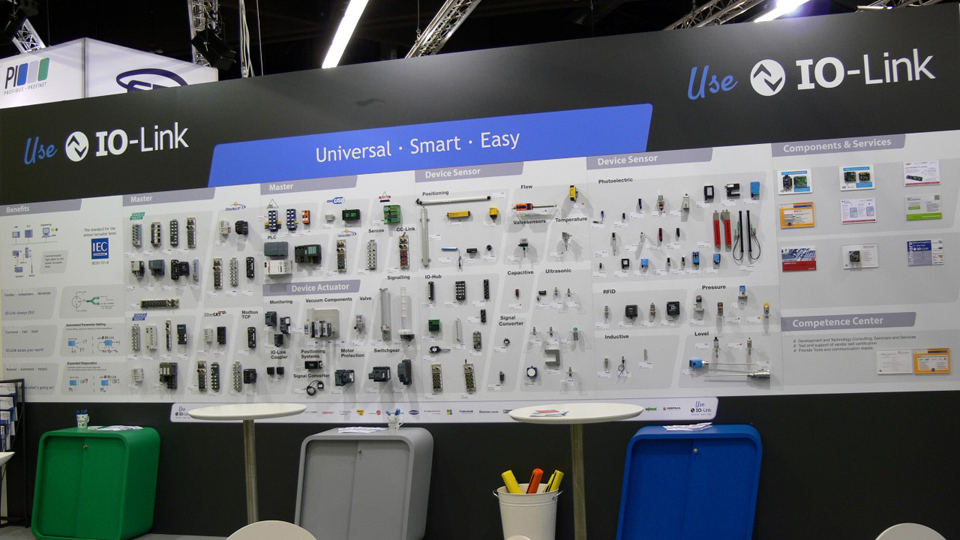
Did you know that IO-Link does away with the great variety of signals and interfaces on the sensor/actuator level once and for all? Naturally, sensors and actuators covering a wide range of complexity and characteristics were produced in the past, when there was no standard for an interface with communications capability. Today, IO-Link bundles up this variety and simplifies the last meter of the sensor-actuator level. The reason is that IO-Link needs nothing more than an M12 plug connection and a standard 3- or 5-wire sensor cable.
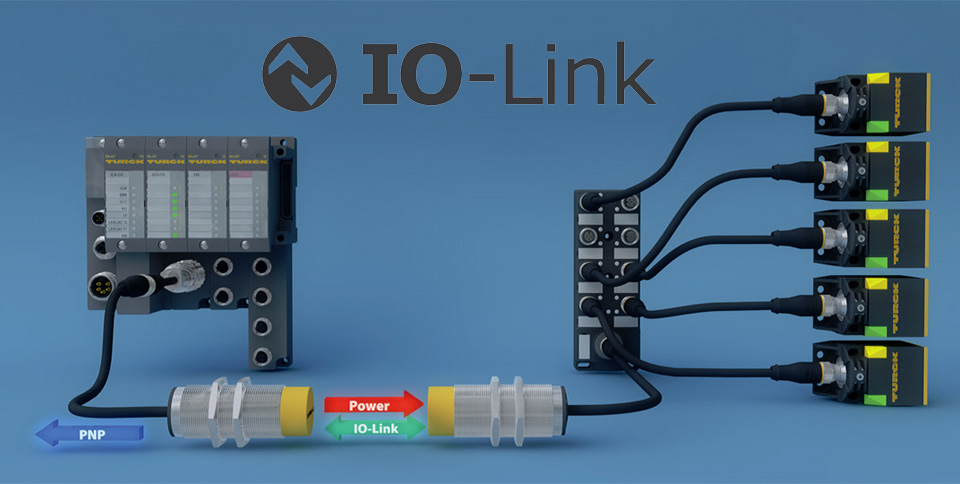
Did you know that IO-Link drastically reduces electrical installation costs? IO-Link results in significant cost savings even for classic binary sensors. For use as an installation system, IO-Link sensor hubs are available on the market that condense up to 16 binary sensors with one switching output or 8 sensors with two switching outputs (e.g. antivalent or Desina sensors) into a single serial IO-Link connection.
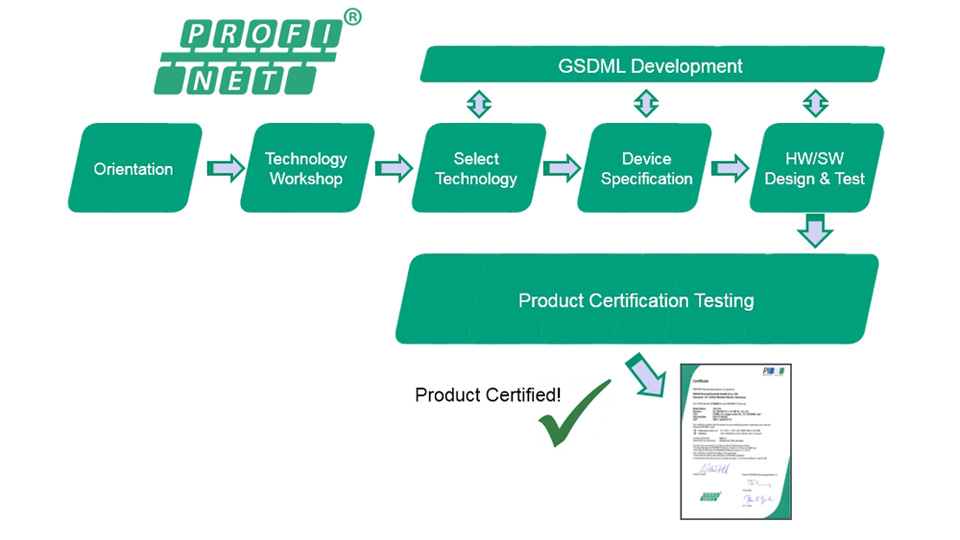
When a user decides on PROFINET, he has a choice of thousands of different products developed and available worldwide today, such as I/O devices, actuators, sensors, network and infrastructure components, and controllers. This variety gives the user maximum freedom to design his own plant and automation systems. The device manufacturer has access to a wide range of different hardware- and software-based basic technologies for optimal implementation of the PROFINET interface based on his requirements.
Did you know that all well-known chip manufacturers offer chips for IO-Link devices or masters? Over ten chip manufacturers have already listed their products. These offer a suitable chip for every device class, ranging from simple drivers/transceivers to microcontrollers. Several manufactures have also integrated IO-Link in their system or network controllers.
In this article PROFIBUS veteran Dennis van Booma continues to shed some light on questions that some novice PROFIBUS PA users have asked recently. There are specialists all over the world who are ready to kick-off their first implementation of PROFIBUS PA. This is the legacy of the conservative nature of our industry. More about PROFIBUS PA Profiles…